
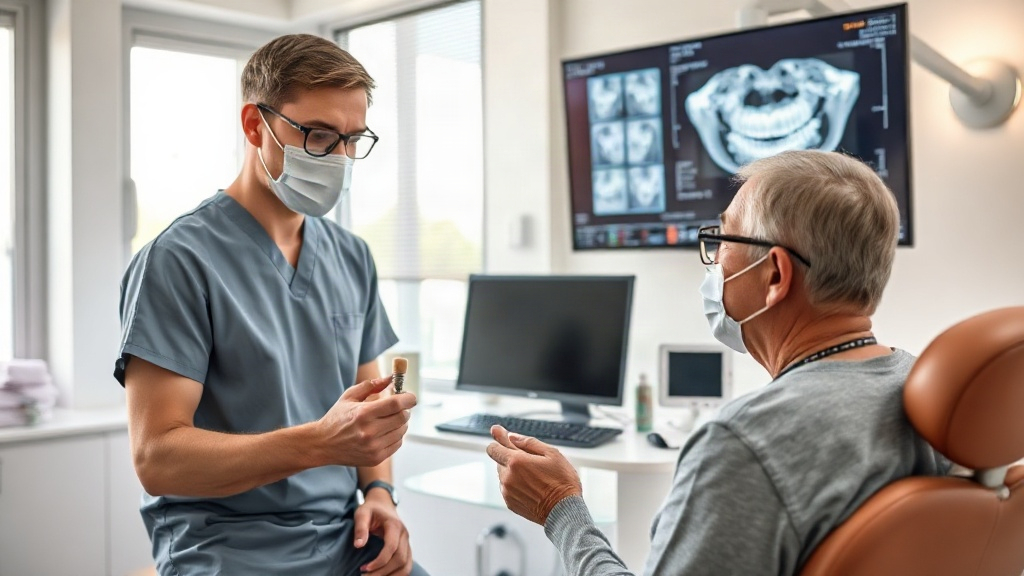
You've probably seen the ads: a full smile makeover in Turkey for a fraction of what you'd pay at home, with a holiday thrown in. It sounds almost too good to be true, and sometimes it is. But for thousands of people every year, dental implants in Turkey turn out to be a genuinely smart decision, provided they know what to look for and what to avoid. This article isn't a sales pitch. It's a practical, no-nonsense guide to help you make an informed choice, whether you're replacing a single missing tooth or considering full-arch restoration.
Why Turkey Has Become a Global Hub for Dental Implants
Turkey has been a popular destination for medical and dental tourism for over two decades. The reasons are straightforward: a combination of modern clinics, experienced surgeons, and significantly lower overhead costs compared to Western Europe or North America. But the landscape is not uniform. Istanbul, Antalya, and Izmir have clusters of high-quality dental centres, while some smaller towns may have less regulated operations. The key is to differentiate between a clinic that invests in technology, training, and aftercare, and one that competes purely on price.
When you choose a reputable dental centre Turkey visitors recommend, you're not just paying for the implant itself. You're paying for the diagnostics, the sterilisation protocols, the quality of the implant brand, and the expertise of the surgeon placing it. These factors determine whether your implant lasts 5 years or 25.
What Exactly Are Dental Implants?
A dental implant is a titanium (or sometimes zirconia) screw that is surgically placed into your jawbone to act as an artificial tooth root. Once it integrates with the bone, it can support a crown, bridge, or denture. Unlike a traditional bridge, an implant doesn't rely on neighbouring teeth for support, which means those teeth remain untouched. It also helps preserve bone density in the area, preventing the sunken look that can happen after tooth loss.
The procedure typically happens in two stages: the implant placement, then a healing period of 3 to 6 months before the final crown is attached. Some clinics offer 'same-day' or 'immediate load' implants, but these are not suitable for everyone and depend on bone quality and the specific case.
Types of Implants You'll Encounter
- Endosteal implants: The most common type, placed directly into the jawbone. They come in various shapes and thread designs.
- Subperiosteal implants: Placed on top of the bone, under the gum. Used when there isn't enough bone height for endosteal implants.
- Zygomatic implants: Longer implants anchored in the cheekbone. Reserved for severe upper-jaw bone loss.
Most patients receiving dental implants in Turkey will be candidates for endosteal implants. The brand matters too. Premium brands like Straumann, Nobel Biocare, and Astra Tech have decades of clinical research behind them. Some clinics use cheaper, lesser-known brands; this isn't automatically bad, but you should ask about the brand's track record and whether replacement parts will be available years down the line.
How to Choose a Dental Centre in Turkey
This is where the real work begins. A flashy website and a low price are not enough. Here are the criteria that separate excellent clinics from mediocre ones:
1. Credentials and Experience of the Surgeon
Ask who will perform your surgery. Is it a specialist in oral and maxillofacial surgery or periodontology? How many implant procedures have they performed? A surgeon who places hundreds of implants a year will have seen complications and know how to handle them. Look for membership in international bodies like the ITI (International Team for Implantology) or the EAO (European Association for Osseointegration).
2. Diagnostics and Planning
A thorough clinic will take a 3D CBCT scan, not just a panoramic X-ray. This allows them to assess bone density, nerve proximity, and sinus anatomy. They should also use a surgical guide for precise placement. If a clinic skips this step, walk away.
3. Sterilisation and Hygiene
This is non-negotiable. Ask about their sterilisation protocols. A reputable dental centre Turkey based will have autoclaves, single-use instruments where appropriate, and a clear chain of sterilisation. Don't be shy about asking for a tour of the sterilisation area.
4. Implant Brand and Warranty
Ask which implant system they use and why. Premium brands cost more but have extensive research and long-term availability of components. Also, ask about the warranty on the implant itself and the crown. Many clinics offer a lifetime guarantee on the implant fixture, but the crown might have a shorter warranty.
5. Aftercare and Communication
What happens if you have a problem after you return home? A good clinic will provide a direct contact for emergencies, a detailed aftercare plan, and will coordinate with your local dentist if needed. They should also schedule follow-up reviews, either in person or via video call.
Costs: What to Expect and What's Included
One of the main reasons people consider dental implants Turkey is cost. A single implant with crown can range from £500 to £1,200 in Turkey, compared to £2,000 to £3,000 in the UK. Full-arch (All-on-4 or All-on-6) treatments can be £3,500 to £7,000 per arch, versus £20,000+ in the UK.
But beware of quotes that seem too low. They may exclude:
- Bone grafting or sinus lift (often needed and can add £300-£800 per site)
- Temporary teeth during healing
- Medications, blood tests, or post-op care
- Follow-up visits or revisions
Always ask for a detailed, itemised treatment plan before you commit. A transparent clinic will provide this without hesitation.
The Treatment Journey: Step by Step
- Initial consultation (remote or in-person): You'll discuss your goals, medical history, and send X-rays or a CBCT scan.
- Treatment plan and quote: The clinic outlines the proposed procedure, timeline, and costs.
- First visit (5-7 days): You'll have a face-to-face consultation, possibly additional scans, and the implant surgery. If extractions are needed, they may be done now.
- Healing period (3-6 months): The implants integrate with the bone. You'll wear temporary teeth if needed.
- Second visit (5-7 days): The final crowns or bridge are fitted. You may have minor adjustments.
- Follow-up: Your local dentist can monitor the implants, or you can return to Turkey for reviews.
Risks and How to Minimise Them
Dental implant surgery is generally safe, but risks include infection, nerve damage, sinus problems, and implant failure. You can reduce these by choosing an experienced surgeon, following aftercare instructions diligently, and not smoking. Smoking significantly increases the risk of implant failure and should be stopped at least two weeks before and after surgery.
Also, be honest about your medical history. Conditions like uncontrolled diabetes, autoimmune diseases, or previous radiation therapy to the jaw can affect healing and may contraindicate implants. A good clinic will screen for these.
Is Turkey Right for You?
If you're healthy, have realistic expectations, and are willing to do your homework, Turkey can offer excellent value without compromising quality. The country has world-class facilities and surgeons. But if you're looking for the absolute cheapest deal, you may end up paying more in the long run to fix problems. Focus on value, not just price.
Frequently Asked Questions
How long do dental implants last?
With proper care, implants can last 20 years or more. The crown may need replacement after 10-15 years due to wear. Good oral hygiene and regular check-ups are key to longevity.
Is the implant procedure painful?
The surgery is done under local anaesthesia, so you won't feel pain during the procedure. Afterwards, you may have some soreness, swelling, and bruising, which can be managed with painkillers and ice packs. Most people return to normal activities within a few days.
How do I know if a dental centre in Turkey is reputable?
Look for verified patient reviews, before-and-after photos, surgeon credentials, and transparent pricing. Ask for the clinic's complication rate and how they handle emergencies. A reputable clinic will be happy to answer all your questions and provide references.
Can I get dental implants if I have bone loss?
Yes, but you may need a bone graft or sinus lift first. This adds time and cost. A 3D scan will determine if you're a candidate for standard implants or if you need advanced techniques like zygomatic implants.
What should I avoid after implant surgery?
Avoid smoking, alcohol, and strenuous exercise for at least a week. Don't rinse vigorously or use a straw for the first few days. Stick to soft foods and follow your clinic's aftercare instructions precisely.
Choosing to get dental implants in Turkey is a big decision, but with the right research, it can be a life-changing one. Take your time, ask questions, and prioritise quality over bargains. Your smile will thank you.