
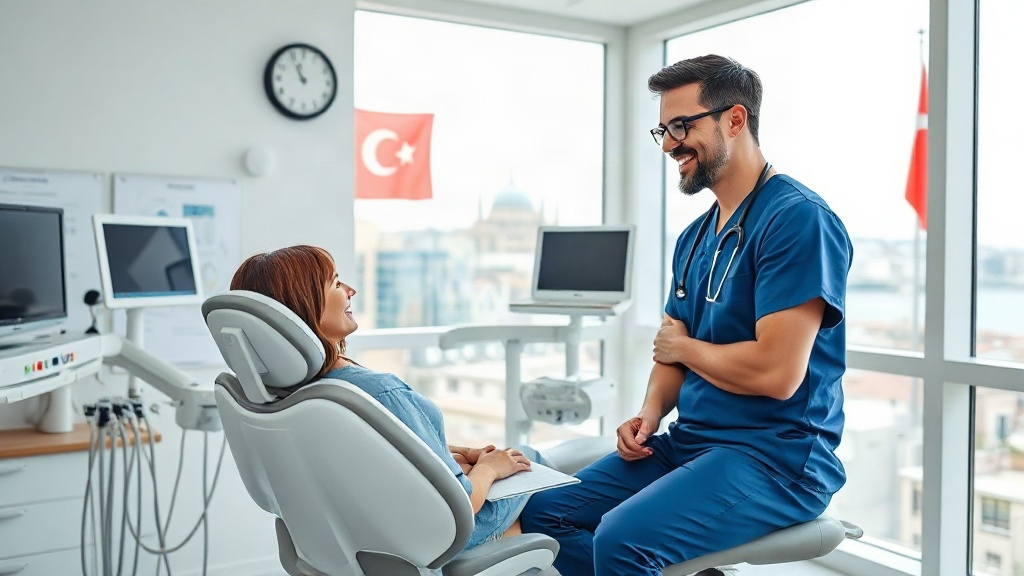
If you are missing one or more teeth, you have likely heard about dental implants as the gold standard for replacement. But when you start researching, the price difference between your home country and clinics abroad can be staggering. Turkey has become a leading destination for dental tourism, attracting thousands of patients each year with promises of high-quality care at a fraction of the cost. Yet, as with any medical procedure, the key to a successful outcome lies in understanding what you are buying, who is treating you, and what happens after you fly home.
This guide is not a sales pitch. It is a practical, no-nonsense look at the world of dental implants in Turkey. We will walk through the real costs, the importance of choosing a dental centre in Turkey that prioritises ethics over volume, and the steps you can take to protect your smile and your wallet.
Why Turkey Has Become a Hub for Dental Implants
Turkey’s appeal is not just about lower prices. The country has invested heavily in modern dental technology and training. Many clinics in Istanbul, Antalya, and Izmir are equipped with the same digital scanners, 3D imaging, and CAD/CAM milling machines you would find in Western Europe. The difference is the cost of living and labour, which allows clinics to offer treatments at 50 to 70 percent less than typical UK or US prices.Another factor is speed. In many public health systems, waiting lists for implant treatment can stretch for months. In Turkey, you can often be scheduled within weeks, and the entire procedure, from consultation to final crown, can be completed in a single trip if you are a suitable candidate. This combination of affordability and efficiency has made dental implants in Turkey a genuinely attractive option for people who might otherwise never be able to afford treatment.
Understanding the Real Cost of Dental Implants in Turkey
When you see an advertisement for a 500-euro implant, it is natural to get excited. But that price rarely tells the full story. A dental implant is not a single product; it is a system that includes the implant fixture, the abutment, and the crown. Some clinics quote only the fixture, then charge extra for the abutment, the crown, and any necessary procedures like bone grafting or sinus lifts.
At a reputable dental centre in Turkey, you should receive a transparent, all-inclusive quote after a proper diagnosis. This quote should cover:
- The implant brand and type (e.g., Straumann, Nobel Biocare, or a reliable Korean alternative).
- Surgical placement and any preparatory procedures.
- The abutment and the final crown (usually zirconia or porcelain).
- Medications, post-operative check-ups, and follow-up care.
As a rough guide, a single implant with crown in Turkey might range from 600 to 1,200 euros, depending on the brand and complexity. Full-arch restorations (All-on-4 or All-on-6) can cost between 4,000 and 8,000 euros per arch. Compare that to 2,000 to 3,000 pounds for a single implant in the UK, and you can see why patients travel.
However, the cheapest option is rarely the best. If a clinic offers an implausibly low price, ask what is excluded. Sometimes the implant is a lesser-known brand with limited availability of spare parts, which can be a problem if a component breaks years later. Your long-term dental health is not the place to cut corners.
How to Choose a Dental Centre in Turkey You Can Trust
The internet is full of flashy websites and before-and-after photos. But how do you separate a genuine, ethical clinic from a marketing machine? Here are the criteria that matter.
1. Check Accreditation and Qualifications
Look for clinics that are members of the Turkish Dental Association or hold international accreditation such as ISO or TEMOS. The dentist performing your surgery should be a graduate of a recognised dental school and, ideally, have post-graduate training in implantology. Do not be shy about asking for their credentials and seeing proof.
2. Insist on a Detailed Treatment Plan
A trustworthy dental centre in Turkey will not rush you into treatment. They will ask for a panoramic X-ray or a CT scan (often taken before you travel or upon arrival) and provide a written plan that explains exactly what will be done, which materials will be used, and how long the process will take. If a clinic promises immediate implants for everyone without proper imaging, walk away.
3. Look Beyond the Price
Ask about the aftercare. What happens if you have a problem six months after you return home? Does the clinic have a warranty policy? Some clinics offer a lifetime guarantee on the implant fixture itself, but you need to understand the terms. A good clinic will also coordinate with your local dentist for follow-up appointments, so you are not left stranded.
4. Read Reviews, But Wisely
Patient testimonials can be helpful, but be aware that some clinics post only glowing reviews. Look for detailed accounts that mention both the good and the challenging aspects. Forums like Reddit or specific dental tourism groups can offer unfiltered insights. If possible, ask to speak to a past patient directly.
The Treatment Process: What to Expect
Most patients are surprised by how smooth the process can be. A typical journey for dental implants in Turkey looks like this:
- Initial consultation and imaging: You send your X-rays or have them taken at the clinic. The dentist assesses bone quality and quantity.
- Treatment plan and quote: You receive a detailed plan with costs and timeline.
- First visit (surgery): The implant is placed under local anaesthesia, often taking 30 to 60 minutes per implant. You may receive a temporary crown or bridge.
- Healing period: Osseointegration (the fusion of implant with bone) takes 3 to 6 months. You return home during this time.
- Second visit (restoration): The final crown is attached. This trip is usually shorter, around 5 to 7 days.
Some clinics offer immediate loading, where a temporary crown is placed on the same day as the implant. This is not suitable for everyone and depends on bone density and the number of implants. Be wary of any clinic that promises same-day permanent teeth for all cases.
Aftercare: The Key to Longevity
Your implant is an investment, and like any investment, it needs maintenance. Once you return home, you must continue to care for your mouth. This means regular brushing, flossing, and using interdental brushes. You should also see a local dentist or hygienist every six months for a professional clean and check-up.If you experience pain, swelling, or a loose crown, contact your clinic in Turkey immediately. Most reputable clinics have a patient coordinator who can advise you and, if necessary, arrange for you to see a local partner dentist. Do not ignore problems, as early intervention can save the implant.
Frequently Asked Questions
Are dental implants in Turkey safe?
Yes, when performed by qualified professionals in accredited clinics. Turkey has many excellent dentists who use high-quality materials and follow strict sterilisation protocols. The key is to choose a reputable dental centre in Turkey rather than opting for the cheapest deal. Do your research, check credentials, and ask questions.
How much do dental implants in Turkey cost compared to the UK?
On average, dental implants in Turkey cost 50 to 70 percent less than in the UK. A single implant with crown might be 600 to 1,200 euros in Turkey, versus 2,000 to 3,000 pounds in the UK. Full-arch treatments can save you tens of thousands of pounds. However, always compare all-inclusive quotes, not just the headline price.
How long do I need to stay in Turkey for dental implants?
For a single implant, you typically need two trips: the first for surgery (about 3 to 5 days) and the second for the crown (about 5 to 7 days) after a healing period of 3 to 6 months. Some clinics offer one-visit treatment for certain cases, but this is not always advisable. Your dentist will advise based on your specific situation.
What if I have problems after returning home?
A good clinic will provide you with a warranty and a point of contact. They may also have a network of partner dentists in your country. If a problem arises, contact your clinic immediately. In many cases, minor issues can be resolved by your local dentist, and the clinic may cover the cost of parts. Always clarify the aftercare policy before you commit.
Can I get dental implants in Turkey if I have bone loss?
Yes, but you may need additional procedures such as bone grafting or a sinus lift. These add to the cost and healing time. A thorough examination with a CT scan will determine if you are a candidate. Do not trust a clinic that offers implants without proper imaging, as this increases the risk of failure.
Choosing to have dental implants in Turkey is a significant decision. It can restore your smile and confidence at a price you can afford, but it requires careful planning. By focusing on quality, transparency, and aftercare, you can navigate the dental tourism landscape with confidence and achieve a result that lasts a lifetime.